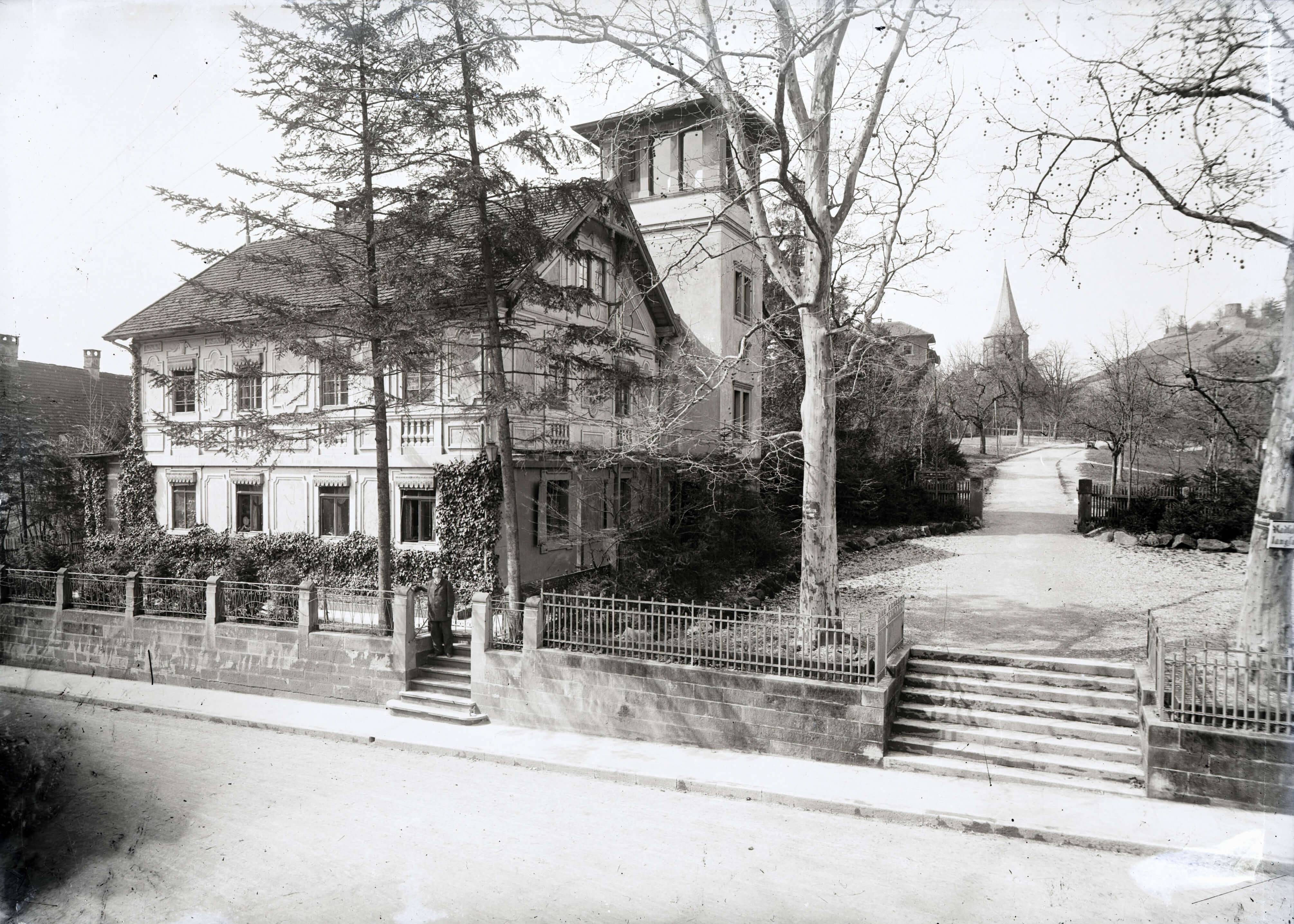
The Kerner Name
From the heart of the Old World to the frontiers of the New, the Kerner name has been synonymous with intellectual prowess, civic leadership, and pioneering. A lineage defined by a consistent and formidable record of achievement and nobility that has shaped culture, science, and society across the globe.
Ancient Roots: Stewards of the Land
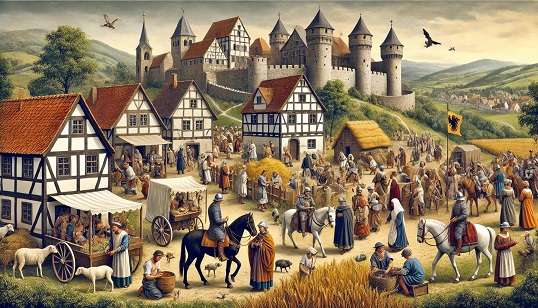
The story begins in the Medieval Germanic lands, where the name Kerner became established during the High Middle Ages, roughly between the 11th and 14th centuries (c. 1000-1400 AD). It was not a name taken lightly; it signified a position of immense trust and importance. Derived from the Middle High German for "granary," a Kerner was the steward of the region's wealth—the grain. To be a Kerner was to be a provider, an administrator, and a cornerstone of the community.
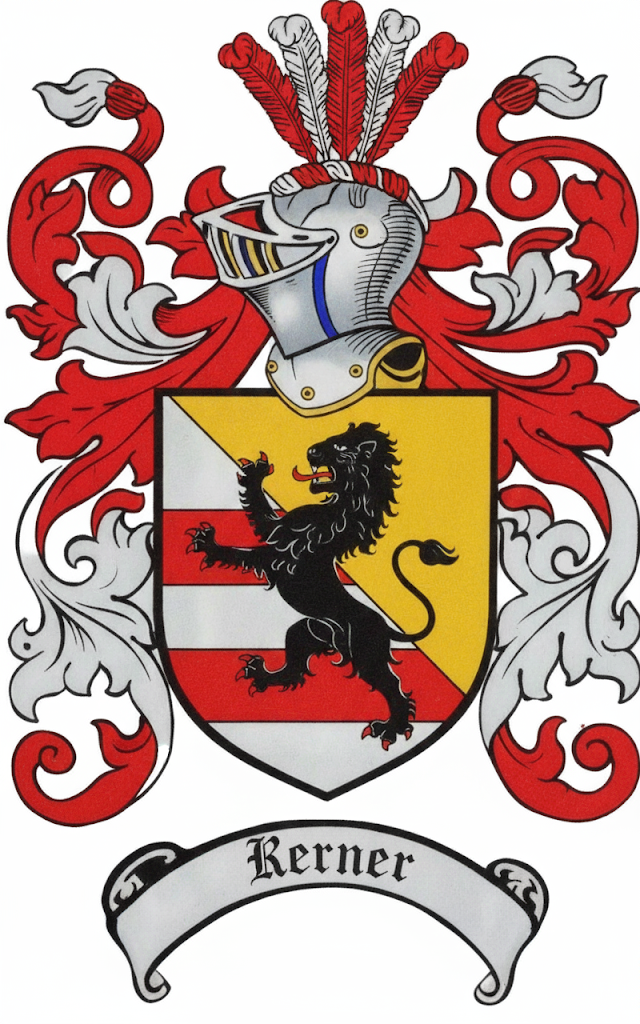
This legacy of leadership is immortalised in the Kerner Coat of Arms. Its design—featuring a formidable lion rampant set against fields of silver, gold, and crimson—is a bold declaration of a family defined by strength, nobility, and authority. It is a symbol of enduring power and influence.
Masters of European Culture & Media
The Foundational Patriarchs
.jpg)
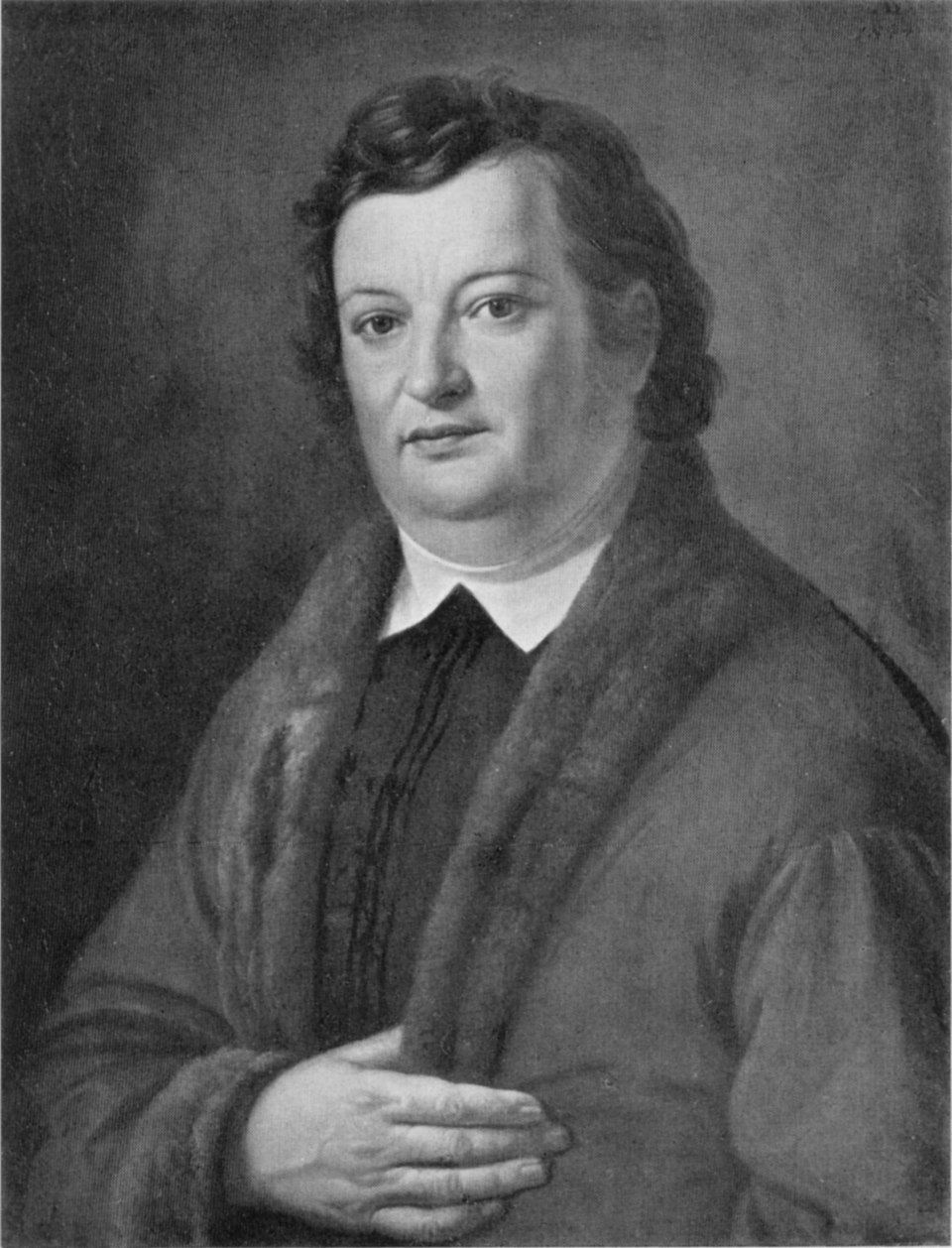
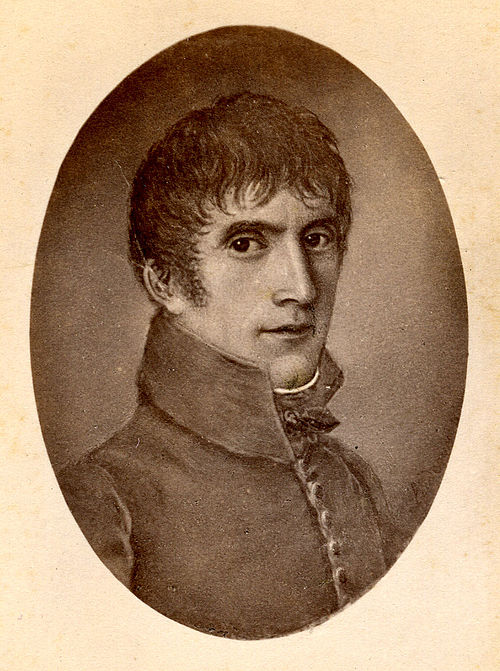
In the esteemed Duchy of Württemberg, Christoph Ludwig Kerner (1744–1806) held the rank of Oberamtmann—the Duke's trusted high bailiff. His son, the legendary poet and physician Justinus Kerner (1786–1862), established the Kernerhaus as a court of intellect and art, while his other son, Johann Georg Kerner (1770–1812), became a formidable political journalist, chronicling the French Revolution.
Commanders of Modern Media
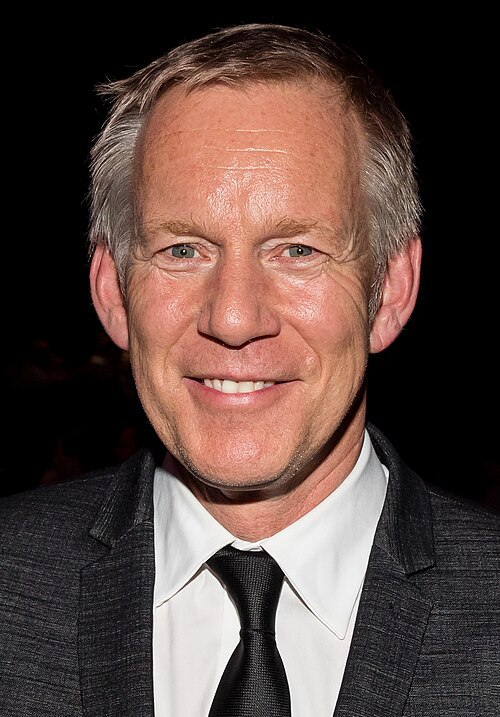

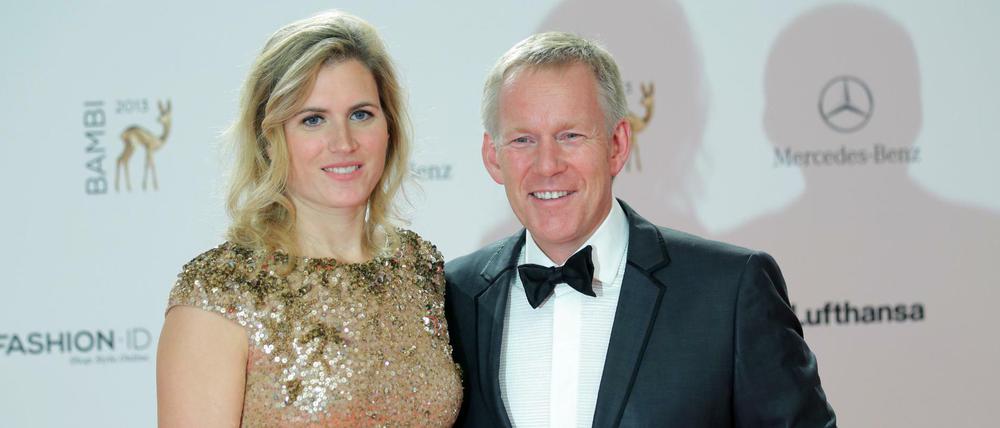
In the modern era, the family's influence extends to the pinnacle of German media. Johannes B. Kerner (b. 1964) is one of the nation's most celebrated television hosts, a commanding presence who has mastered the national conversation for decades. His marriage to Britta Becker-Kerner (b. 1973), a field hockey prodigy who became a World Champion and two-time Olympian, represented an alliance of media authority and athletic royalty.
A Global Cultural Icon
The family name was carried across the world on the airwaves by Gabriele Susanne Kerner (b. 1960). She rose to global fame in the 1980s, known to millions by her stage name, Nena. As one of Germany's most successful musical artists of her time, her powerful anthem "99 Luftballons" transcended language and borders, making Kerner a household name and a symbol of artistic rebellion and international acclaim.
Conquering the New World: Founders and Leaders
The Town Founder
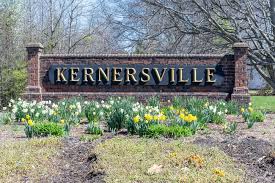
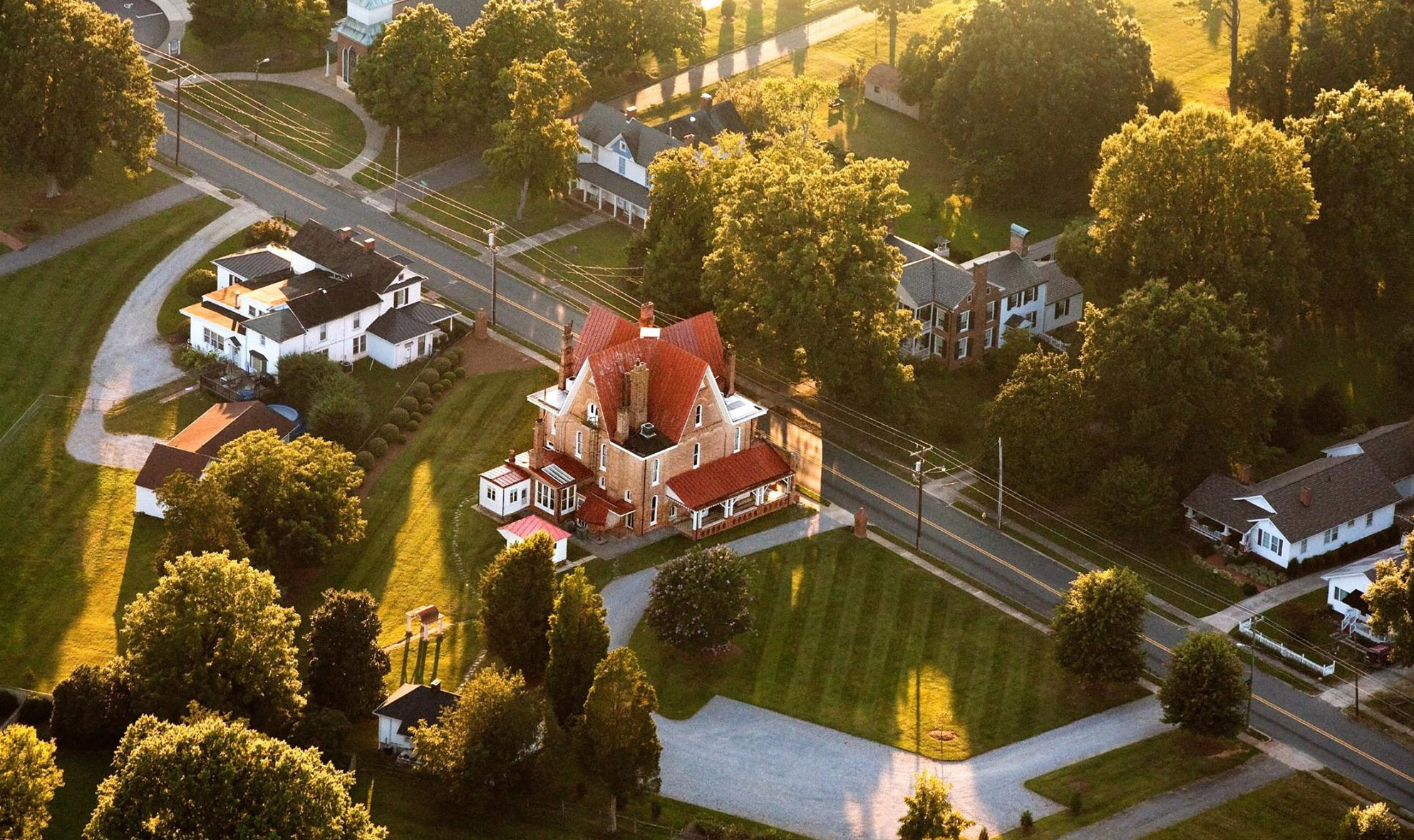
In 1817, Joseph Kerner did not simply settle on land in North Carolina—he founded a town, "Kerner's Crossroads," which would be officially incorporated as Kernersville. It stands today as a permanent monument to the family's pioneering legacy.
An American Political Dynasty
.png)
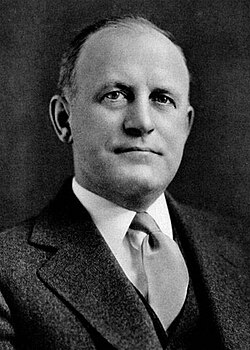
In the 20th century, the family established a powerful political force in Illinois. Otto Kerner, Sr. served as the state's Attorney General and a federal appellate judge. His son, Otto Kerner, Jr., ascended to the Governor's office, cementing a multi-generational legacy of legal and political dominance.
A Legacy in Medicine & Service
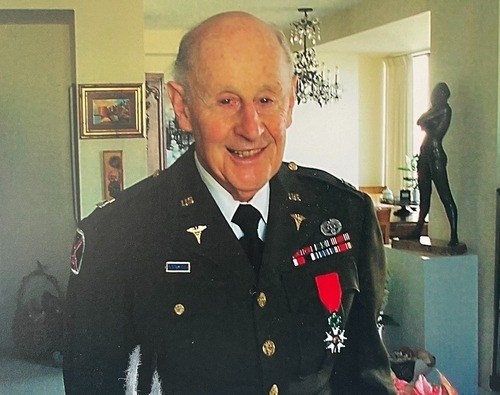

The family’s tradition of reaching the apex of their profession is powerfully demonstrated in medicine. This legacy is exemplified by figures like Dr. John Kerner, a celebrated physician, veteran, and Clinical Professor at the University of California, San Francisco, who chronicled his lifetime of service in his acclaimed book, San Francisco Heroes I Have Known. Alongside him, specialists like Dr. Mark Kerner, a leading American spine surgeon, continue to uphold the family’s reputation for intellectual rigor and life-changing expertise.
The Australian Ascendancy: Service, Sovereignty, and Enterprise
The earliest definitive records: Gottlieb Kerner
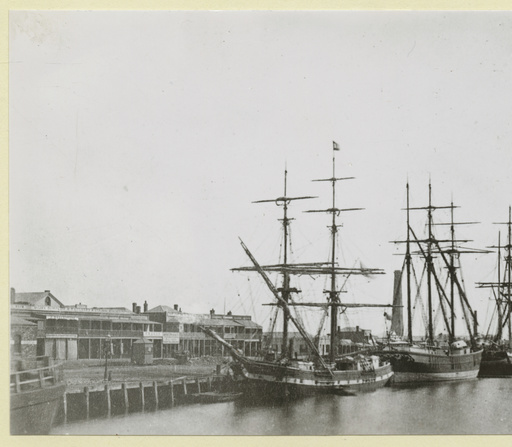
Gottlieb Kerner arrived at Port Adelaide in 1855 as one of the earliest German Lutherans who famously established communities in the Barossa Valley, a region where, fittingly, the Kerner grape variety—named for the family's famous poet, Justinus Kerner (1786–1862)—is now cultivated.
Victorian Gold Rush of the late 19th Century: Charles Kerner
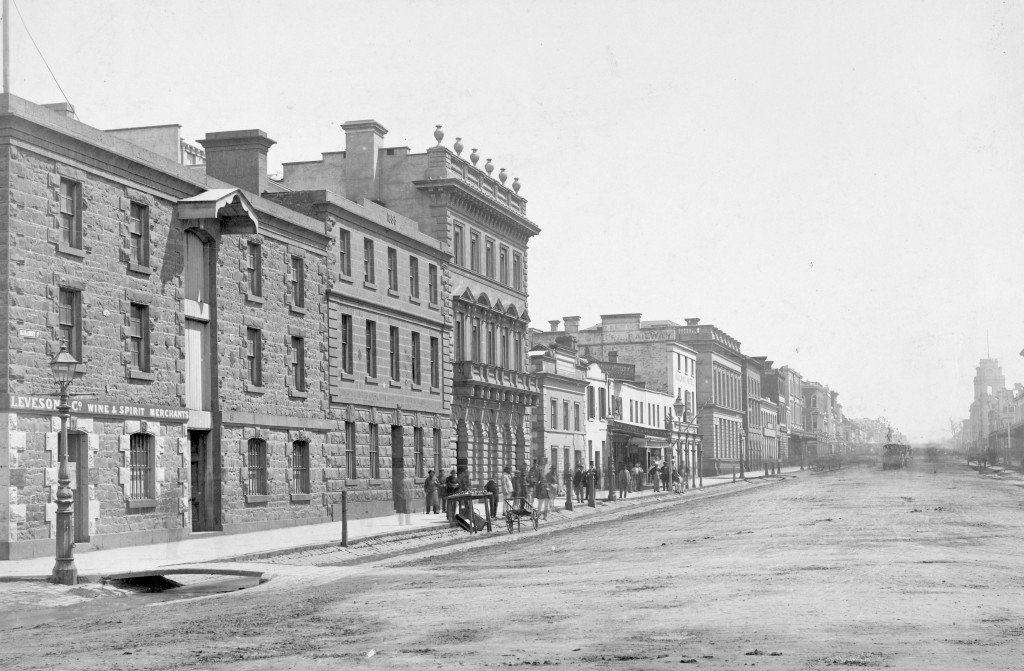
From the 1870s, Charles Kerner was a successful merchant of luxury items (including fine cigars) in Melbourne, establishing the family name in the commercial fabric of the booming city during that era.
The First Tasmanian Arrival: Anna Maria Kerner
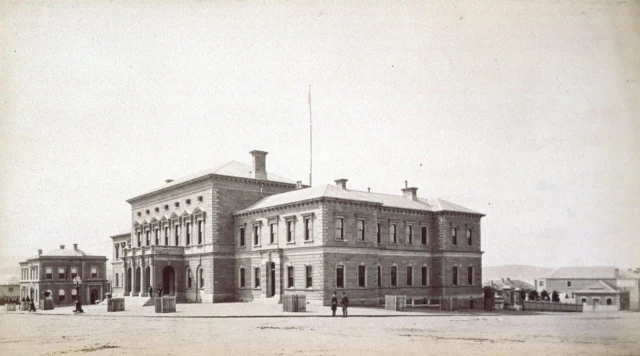
The earliest documented arrival of the Kerner name in Tasmania was Anna Maria Kerner, who established roots in Hobart. Her marriage in 1878 to mariner Henrich Kaddatz marked the first official record of a Kerner family unit in the state, tying the lineage to the rich maritime history of the island's capital.
Forging Commercial Links: Walter & Mavis Kerner
From the 1930s, the family's presence was solidified in New Town, Tasmania, by Walter Ernest Kerner (1905 – 1977) and Mavis Eileen Kerner (1907 – 1988). As a pioneering commercial merchant, Walter was instrumental in developing the state's trade networks, connecting businesses and communities across the island for several decades.
A Legacy of Service: Arthur Samuel Kerner
Among those who brought the name to the continent was Arthur Samuel Kerner. An American who registered for military service in 1941, his journey led him to Australia, where he built a home and settled his family on the Nepean river in Penrith NSW. He ultimately died in service in 1966, leaving his estate to his wife Wilma (Billie) Kerner (1921 - 2004) and his two recognised heirs, Mark Kerner and Jan Kerner. His life represents a noble sacrifice, cementing the family name in the soil of a new continent through duty and honour.
Architect of a Digital Nation: Eugene Reuben Crispian Kerner

From this foundation grew a new era of innovation. The latter half of the 20th century saw the rise of Eugene Reuben Crispian Kerner (b. 1973 m. Nomana Nasir (Sultani) Kerner), an architect of Australia’s digital age. The founding of his firm eKerner in 1992 was a visionary act that placed him at the vanguard of a global revolution. His foundational work in building the digital infrastructure for the nation's most critical government and private institutions was nothing short of nation-building.
An International Voice in Arts & Culture: Dr. Aaron Kerner
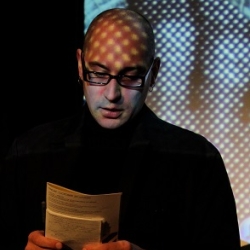
The family's intellectual tradition, rooted in an Australian education, has achieved international acclaim through the work of Dr. Aaron Kerner. After earning his doctorate from Sydney's Macquarie University, he has gone on to shape cultural conversations on a global scale. As an internationally recognized author, editor, and translator, his work is published by prestigious presses, including the New York Review Books. His critical writings and academic authority in cinema and media studies establish him as a leading voice in his field, bridging the family's Australian experience with the highest levels of international intellectual life.
The Enduring Spirit of Contribution

Today, the Kerner legacy is woven deep into the fabric of modern Australian life, not just through individual achievement but through the growth of a diverse and forward-looking family. As the lineage has embraced new cultures and new eras, it has drawn strength from them, reflecting the multicultural story of Australia itself.
This enduring spirit of contribution is evident across the nation's vital sectors. The family's commitment to community well-being continues through practitioners in the health sciences like Vicki Kerner and physiotherapist Daniel Kerner. In the skilled trades, the name is synonymous with enterprise, demonstrated by business owners like Richard Kerner, proprietor of Allcraft Automotives in Melbourne.
Diverse across the health and wellness sectors, business, technology, skilled trades, and in every corner of Australia, the modern Kerner family embodies a dynamic legacy—one that honours its European origins while building a vibrant future in Australia.
From the Smallest Seed, The Greatest Good 🌳
From the halls of German nobility to the global stage of pop culture, and from the corridors of American power to the digital frontiers of Australia, the Kerner family has not just witnessed history—it has driven it. The lineage is a testament to an enduring code of leadership, intellectual rigour, and the formidable will to build, innovate, and inspire.